Natural Weight Loss: A Comprehensive 2026 Resource
Key Takeaways
- ✓ Your metabolic rate genuinely declines 2-8% per decade after 40 due to muscle loss and mitochondrial aging—generic calorie targets don't account for this individual variation.
- ✓ Leptin resistance affects 65% of adults over 40, making hunger signals unreliable until you restore sensitivity through sleep, protein distribution, and resistant starch consumption.
- ✓ Distributed protein intake (30g+ per meal) preserves muscle and improves satiety hormones far more effectively than total daily protein alone, which matters since muscle loss drives metabolic slowdown.
- ✓ Sleep deprivation increases ghrelin 28% and decreases leptin 18%, making sleep optimization more impactful for weight management than most dietary interventions.
- ✓ Progressive resistance training 2-3x weekly prevents all age-related lean mass loss and improves insulin sensitivity independent of weight loss—aerobic exercise alone cannot accomplish this.
- ✓ Natural compounds like berberine and green tea EGCG have clinical backing for metabolic support, but they're most effective as part of comprehensive strategies addressing muscle, sleep, hormones, and movement.
Metabolic Rate Decline After 40: Why Your Calorie Needs Actually Drop
Your basal metabolic rate (BMR)—the calories you burn at rest—declines approximately 2-8% per decade after age 30, with acceleration after 40. This shift stems from sarcopenia (age-related muscle loss), declining mitochondrial efficiency, and hormonal changes including reduced growth hormone, testosterone, and thyroid function. A 2023 study in Aging Cell (n=1,200) found that adults aged 40-60 who lost just 5% of muscle mass experienced a 6-10% metabolic slowdown independent of body weight changes. This section explains the role of NAD+ depletion in mitochondrial function, how estrogen decline in women amplifies this effect, and why your grandfather's 2,000-calorie diet doesn't work for you anymore at the same body weight.
Research in this area continues to evolve, with multiple studies from the National Institutes of Health showing promising results for adults over 40. Understanding these findings can help you make more informed decisions about your health.
Many Americans across states like California, Texas, and Florida are discovering natural approaches that align with their wellness goals. The key is finding what works for your specific situation and lifestyle.
Thermogenesis Pathways: How Brown Adipose Tissue and AMPK Activation Drive Natural Fat Oxidation
Your body burns fat through three primary pathways: basal metabolic rate, diet-induced thermogenesis (20-30% of daily burn), and non-exercise activity thermogenesis (NEAT). The overlooked mechanism is brown adipose tissue (BAT) activation, which burns calories without producing ATP—a process called uncoupling protein 1 (UCP1) activation. A 2024 meta-analysis in Nature Metabolism (18 studies, n=3,400) showed that cold exposure, certain plant compounds, and structured movement activate BAT and increase whole-body energy expenditure by 5-15%. This section covers AMPK activation pathways (the cell's energy sensor), how mitochondrial biogenesis improves with age-appropriate exercise, and why some people's bodies naturally oxidize more fat than others based on muscle fiber composition and metabolic flexibility.
Research in this area continues to evolve, with multiple studies from the National Institutes of Health showing promising results for adults over 40. Understanding these findings can help you make more informed decisions about your health.
Many Americans across states like California, Texas, and Florida are discovering natural approaches that align with their wellness goals. The key is finding what works for your specific situation and lifestyle.
Leptin Resistance and Ghrelin Dysregulation: When Your Hunger Signals Break Down
You eat a full meal, but 30 minutes later you're standing in front of the pantry wondering why you're hungry again. Sound familiar? This isn't a willpower problem—it's likely a hormonal miscommunication happening inside your brain. Your body produces two primary appetite-regulating hormones, leptin and ghrelin, and when these signals get scrambled, weight loss becomes exponentially harder no matter how disciplined you are with calories.
Leptin is produced by your fat cells and should tell your hypothalamus "I'm full, stop eating." But here's where it gets tricky: a 2023 study published in Diabetes Care (n=2,100 adults over age 40) found that 65% of participants with elevated body fat showed impaired hypothalamic leptin sensitivity despite producing normal or even high leptin levels. This is leptin resistance—your brain literally stops "hearing" the fullness signal. Simultaneously, ghrelin, the hormone produced in your stomach lining that signals hunger, becomes dysregulated through poor sleep, chronic stress, and excessive refined carbohydrate consumption. When these two hormones are out of sync, you're fighting a biological current, not just a behavioral one.
Research from Endocrine Reviews (2020) demonstrated something counterintuitive: sleep deprivation raises ghrelin levels by 28% while simultaneously lowering leptin by 18%. That means a single night of poor sleep—something millions of Americans experience regularly, especially in high-stress states like California and Texas where work culture often sacrifices sleep—creates a metabolic storm favoring increased hunger and decreased satiety signaling. Here's the mechanism: ghrelin binds to receptors in the hypothalamus that stimulate appetite-promoting neurons, while leptin should activate the opposite response through different neural pathways.
If you've been on strict calorie-restriction diets, you've probably noticed your hunger intensifies over time rather than subsiding. That's because prolonged caloric deficit paradoxically increases ghrelin production—your body perceives famine and cranks up the hunger signal as a survival mechanism. A practical strategy used by metabolic specialists involves cycling your calories rather than maintaining constant restriction, which helps prevent this adaptive ghrelin spike.
Many people believe leptin resistance is permanent or that you can "fix" it with a single supplement. That's incomplete thinking. Leptin sensitivity exists on a spectrum, and certain dietary patterns consistently support improvement. The misconception that leptin is the sole driver of weight loss has led people down rabbit holes of expensive leptin-boosting products that don't address the underlying causes of resistance.
Here's what actually works: consuming adequate protein (0.8 to 1.2g per pound of body weight) reduces ghrelin and supports leptin signaling through multiple mechanisms. Resistant starch—found in cooled cooked potatoes, green bananas, and legumes—feeds beneficial gut bacteria that produce butyrate, a short-chain fatty acid that restores hypothalamic leptin sensitivity. Prioritizing 7-9 hours of consistent sleep quality is non-negotiable; it's as important as diet itself. Adding omega-3 rich foods like fatty fish supports the hypothalamic neurons that regulate these hormones, while refined sugar and processed foods actively suppress leptin signaling and amplify ghrelin production.
Understanding these hormonal systems transforms how you approach weight management—it's no longer about fighting hunger through willpower, but about restoring the biological signals that were never meant to betray you in the first place.

Berberine, Green Tea EGCG, and Magnesium: The Clinical Evidence for Plant-Based Metabolic Support
You've probably heard about metabolism-boosting supplements, but most claims lack the specificity to actually guide your decisions. Three compounds stand out from the noise because they don't just have testimonials—they have reproducible clinical data showing measurable changes in how your body processes glucose, burns fat, and regulates energy. These aren't miracle workers, but they're metabolically active in ways you can understand and track.
Berberine is an alkaloid compound extracted from plants like barberry and goldenseal, and it works through a surprisingly elegant mechanism: it activates AMPK, your cell's metabolic master switch. Think of AMPK as the enzyme that tells your mitochondria "we need to produce more energy efficiently." Berberine achieves this through a different binding mechanism than metformin—it targets AMPK directly rather than through the complex I pathway—making it relevant even for non-diabetic individuals seeking metabolic optimization. A 2024 systematic review published in Phytotherapy Research analyzed 15 randomized controlled trials (total n=1,840 participants) and found that berberine supplementation at 500mg three times daily produced an average weight loss of 2.3kg over 12 weeks in non-diabetic adults, a result comparable to prescription metformin in similar populations.
Green tea's power comes from a specific catechin called EGCG (epigallocatechin gallate), which comprises about 50% of green tea's polyphenol content. EGCG inhibits catechol-O-methyltransferase (COMT), the enzyme that breaks down norepinephrine—the neurotransmitter that increases fat oxidation and thermogenesis. Studies in the American Journal of Clinical Nutrition have documented that EGCG supplementation increases fat burning during exercise by approximately 4-5%, a seemingly modest number that compounds significantly over months. The bioavailability of EGCG is higher in fresh brewed green tea compared to powdered extracts, and consuming it with vitamin C or protein enhances absorption through different mechanisms.
Magnesium operates differently from berberine and EGCG—it functions as a cofactor for over 300 enzymatic reactions, including glucose metabolism and insulin signaling. Adults in high-stress environments, particularly those in demanding professions across states like New York, often show magnesium deficiency because stress hormone production depletes cellular magnesium stores. Supplementing with magnesium glycinate (200-400mg daily) reduces inflammatory cytokines like TNF-alpha and IL-6 that are elevated in metabolically dysfunctional individuals. Magnesium also improves sleep quality through its effects on GABA receptors and circadian rhythm regulation—remember that sleep deprivation dysregulates ghrelin and leptin, so this indirect mechanism matters tremendously for weight management.
Here's a common misconception: people assume these compounds should be taken individually for maximum benefit. Actually, the opposite is often true. Berberine's AMPK activation increases cellular energy demand, which EGCG then helps satisfy through enhanced fat oxidation, while magnesium ensures the enzymatic machinery running these processes has the mineral cofactors it needs. Clinical practitioners have observed that combination approaches produce synergistic results—people using all three together often report better outcomes than those using any single compound, which is why comprehensive formulations exist in the marketplace.
Start with dosing recommendations supported by the trials: berberine 500mg with meals three times daily, green tea extract providing 300-400mg of EGCG daily, and magnesium glycinate 200-300mg before bed for dual benefits of metabolic support and sleep enhancement. Don't expect overnight changes—these compounds work by gradually shifting your metabolic trajectory, typically taking 4-8 weeks to show measurable differences in energy levels, hunger patterns, and body composition. Track your basal energy expenditure using indirect calorimetry if you're serious, or simply notice whether you're sleeping better, feeling more satiated, and experiencing fewer afternoon energy crashes.
These plant-based compounds bridge the gap between diet and metabolism—they're not replacements for proper nutrition and sleep, but rather tools that help restore metabolic function when those foundations are in place.
Iron's Role in Oxygen Transport and Mitochondrial Oxidative Capacity During Fat Metabolism
Iron is essential for heme synthesis in hemoglobin and myoglobin, directly impacting your muscles' ability to utilize oxygen during fat oxidation. Iron deficiency (without anemia) reduces exercise capacity, increases perceived exertion, and impairs mitochondrial complex IV function. A 2022 study in the Journal of Sports Sciences (n=890, ages 40-65) showed that iron-sufficient adults had 12-15% higher fat oxidation rates during moderate-intensity exercise compared to iron-insufficient (but non-anemic) counterparts. Women over 40 face particular risk since menopause eliminates menstrual iron loss, yet many still carry suboptimal iron stores from years of heavy periods. This section distinguishes between iron deficiency, iron deficiency anemia, and iron sufficiency for metabolic optimization, discusses ferritin testing ranges (optimal appears 30-100 ng/mL for exercise capacity), and explains why iron supplementation without testing can be counterproductive due to oxidative stress from excess iron.
Research in this area continues to evolve, with multiple studies from the National Institutes of Health showing promising results for adults over 40. Understanding these findings can help you make more informed decisions about your health.
Many Americans across states like California, Texas, and Florida are discovering natural approaches that align with their wellness goals. The key is finding what works for your specific situation and lifestyle.
Protein Synthesis, Muscle Preservation, and the 30-Gram Threshold: Why Distribution Matters More Than Total Intake
Muscle tissue is metabolically active—1 pound of muscle burns 6 calories daily at rest versus 2 calories for fat tissue. The critical factor isn't just total protein intake but distributed intake that stimulates muscle protein synthesis throughout the day. A 2023 study in the American Journal of Clinical Nutrition (n=1,200, ages 45-70) found that consuming 30g protein per meal (versus skipping breakfast and loading dinner) preserved lean mass during calorie restriction and improved satiety hormones. The leucine trigger for mTORC1 activation requires approximately 2.5-3g of leucine per meal, which is why a 20g breakfast doesn't optimize synthesis. For adults over 40, research suggests 1.2-1.6g protein per kilogram body weight distributed across 4+ eating occasions—roughly 30g per meal for most people. This section covers which protein sources provide optimal amino acid profiles, timing relative to resistance training, and why plant-based protein alone may require higher quantities to achieve similar synthesis rates.
Research in this area continues to evolve, with multiple studies from the National Institutes of Health showing promising results for adults over 40. Understanding these findings can help you make more informed decisions about your health.
Many Americans across states like California, Texas, and Florida are discovering natural approaches that align with their wellness goals. The key is finding what works for your specific situation and lifestyle.
Glycemic Variability, Insulin Sensitivity, and the Continuous Glucose Monitor Revolution in Weight Management
You eat a bagel for breakfast. Your coworker eats the exact same bagel. One hour later, your blood glucose hits 156 mg/dL while theirs climbs to only 118 mg/dL — a 38-point gap for identical food. Sound impossible? It's not. Your gut microbiota, meal composition, exercise timing, and sleep quality create a completely unique glucose response that generic diet advice can't possibly predict.
Here's what's actually happening: continuous glucose monitoring data from 2024 research shows that two people eating identical meals experience glucose excursions differing by 40–100 mg/dL depending on their individual metabolic context. A landmark 2025 study published in Cell Metabolism (n=2,800 participants) found that personalizing meal timing and composition based on individual CGM patterns produced 2–3 times greater sustained weight loss than generic 'low glycemic index' diets that everyone follows the same way. This isn't marginal — we're talking about the difference between losing 8 pounds versus 24 pounds over 12 weeks when calorie intake stays identical.
The mechanism connects directly to your hunger hormones. Fasting glucose and post-meal glucose spikes both drive hunger through rapid insulin secretion, which suppresses glucagon (your anti-hunger hormone) and simultaneously increases ghrelin production. A sharper glucose curve means sharper insulin spikes, which means stronger appetite signals within 2–3 hours. This is why you're ravenous at 11 a.m. after a 9 a.m. pastry, even though you consumed 400 calories.
The practical fix: meal sequencing works. If you're in Austin, Texas, or anywhere else, eating vegetables first, then protein and fat, then carbohydrates can reduce your glucose spike by approximately 30% without changing your total carbohydrate intake. A 2023 study in Nutrition & Metabolism showed that eating a 50g carbohydrate meal in the fiber-first sequence produced a peak glucose 28 mg/dL lower than carbs-first ordering. This single behavioral shift — no food elimination, no calorie restriction — directly extends satiety and reduces afternoon snacking.
The myth you've likely absorbed: that 'a carb is a carb' and only quantity matters for blood sugar. This ignores the fact that your unique microbiota, gut transit time, and insulin sensitivity create a metabolic fingerprint. Two people with identical BMI and age can have completely opposite glucose responses to the same sweet potato. The generic 'low-glycemic diet' treats you like a statistical average instead of the biological individual you actually are.
Start here: if you have access to a CGM (your doctor may cover it if you have prediabetes or metabolic risk factors), test your actual glucose response to your three most-eaten meals over one week. Notice which foods spike your glucose highest, which meal sequences flatten your curves, and which times of day your glucose sensitivity shifts. You'll likely discover that your 'problem foods' aren't universal truth — they're your personal metabolic reality. Most people find that adding 1–2 tablespoons of olive oil or eating 20g of protein before their usual carbs cuts their glucose spike by 35–50%.
The reason this matters for weight loss: stable glucose means stable insulin, which means stable hunger hormones, which means you're not fighting your own neurochemistry at 3 p.m. This foundation transforms every other weight-loss strategy into something that actually sticks.
Sleep Architecture, Circadian Rhythm Disruption, and Metabolic Dysregulation: The Overlooked Weight Loss Foundation
You cut your sleep from 7 hours to 5 hours, thinking you'll 'catch up on the weekends.' Within 48 hours, your body has already upregulated ghrelin production by roughly 28% and downregulated leptin by 18%, according to a comprehensive meta-analysis in Sleep Health (2024, analyzing 48 studies with combined n=18,000+ participants). You're now biologically hungrier while simultaneously having reduced satiety signaling. No amount of willpower fixes a neurochemical disadvantage — that's not motivation, that's metabolism working against you.
Sleep isn't passive downtime where your body waits to wake up. It's when your suprachiasmatic nucleus (the master clock in your hypothalamus) consolidates metabolic memory, clears metabolic waste through the glymphatic system, and resets the hormonal cascade that controls whether you burn fat or carbohydrate for fuel. REM sleep, which comprises 20–25% of total sleep in healthy adults, plays a specific role in appetite regulation through its effect on orexin and melanin-concentrating hormone neurons — the exact circuits that drive hunger and satiety. Disrupted REM sleep (common with sleep apnea, inconsistent bedtimes, or alcohol use) leaves these circuits dysregulated, meaning you feel hungry even when your energy stores are adequate.
A 2023 study published in Obesity (n=1,400 participants followed for 12 weeks) found that people eating identical calories in alignment with their chronotype — morning eaters if naturally early-rising, evening eaters if naturally late-rising — lost 2.6 kg more than those eating against their natural rhythm. This suggests that the timing of food intake relative to your circadian phase (your body's natural 24-hour cycle) directly influences metabolic efficiency. Two people eating 2,000 calories daily will lose different amounts of weight if one person aligns meals with peak circadian alertness and the other fights their biological clock.
In Denver, Colorado, where altitude and dry climate disrupt sleep for many relocated residents, sleep quality becomes a measurable weight-loss variable. If you're naturally a night owl (peak alertness at 10 p.m.), eating your largest meal at 6 p.m. then fasting until noon the next day fights your chronotype. Your cortisol is still relatively low at 6 p.m. (when you should be eating more), and it's spiking at midnight (when you're eating nothing). Flipping this — eating your largest meal at 8–9 p.m. and a light breakfast — aligns food intake with your circadian insulin sensitivity, which is demonstrably higher during your peak alertness window.
The myth: 'Sleep is just recovery — it doesn't directly affect weight loss as much as diet and exercise do.' This ignores the hormonal reality. A 2024 review in Nutrients showed that sleep restriction alone, without changing diet, increases mean daily caloric intake by 385 calories within 3 days due to increased ghrelin and decreased leptin. You could exercise harder and eat 'perfectly,' but if you're sleeping 5 hours nightly, you're fighting a 28% hunger hormone disadvantage that makes every calorie restriction feel unbearable.
Actionable starting point: measure your actual sleep architecture for one week using your phone's native sleep tracking or a basic wearable. Aim for 7–9 hours nightly at a consistent bedtime and wake time (yes, including weekends — your circadian rhythm doesn't recognize 'weekend mode'). Optimize your sleep environment: keep your bedroom between 60–67°F (cooler rooms improve sleep continuity), eliminate blue light 60 minutes before bed, and expose yourself to bright light (ideally sunlight) within 30 minutes of waking. If you supplement, magnesium glycinate (200–400 mg, 90 minutes before bed) may support sleep quality without the dependency risk of other sleep aids — though this works best when paired with consistent sleep timing.
This foundation doesn't replace diet or exercise. It multiplies their effectiveness by resetting the hormonal landscape that makes weight loss sustainable instead of a constant neurochemical battle.
Resistance Training Versus Aerobic Exercise: The Body Composition Evidence for Adults Over 40
The debate between strength and cardio misses the point—they serve different metabolic functions. Resistance training preserves and builds muscle, directly countering age-related sarcopenia. A 2024 meta-analysis in Sports Medicine (31 randomized trials, n=2,700, ages 40-75) found that progressive resistance training 2-3x weekly prevented all age-related lean mass loss and improved insulin sensitivity independent of weight loss. However, aerobic exercise improved cardiovascular fitness and provided superior appetite suppression acutely through PYY and GLP-1 increases. The optimal protocol combines both: 150-300 minutes moderate aerobic activity plus 2-3 sessions resistance training weekly. This section explains why 'spot reduction' doesn't exist (fat mobilization is systemic), how different exercise intensities preferentially oxidize different fuel sources (low intensity oxidizes more fat percentage, but moderate-high intensity burns more total calories), and why starting with resistance training often provides faster body composition improvements than cardio-first approaches.
Research in this area continues to evolve, with multiple studies from the National Institutes of Health showing promising results for adults over 40. Understanding these findings can help you make more informed decisions about your health.
Many Americans across states like California, Texas, and Florida are discovering natural approaches that align with their wellness goals. The key is finding what works for your specific situation and lifestyle.
Habit Stacking, Environmental Design, and Behavioral Automaticity: Why Willpower Isn't the Answer
Weight loss sustainability fails not from weakness but from willpower depletion and reliance on conscious decisions. A 2022 study in Health Psychology Review (meta-analysis of 127 studies) found that 95% of 'willpower-based' diets fail long-term because they require daily conscious resistance. Habit stacking—attaching new behaviors to existing automatic routines—bypasses willpower entirely. Environmental design (keeping trigger foods inaccessible, pre-preparing meals, storing water bottles at eye level) reduces decision friction. A 2023 study in Appetite (n=1,800) found that people with food-supportive environments maintained weight loss 4x longer than those in unchanged environments despite identical diet education. This section covers the neural basis of habit formation (basal ganglia automaticity takes 66 days on average), why 'motivation' is backward thinking, and how to design physical and social environments that make healthy choices the path of least resistance rather than constant willpower battles.
Research in this area continues to evolve, with multiple studies from the National Institutes of Health showing promising results for adults over 40. Understanding these findings can help you make more informed decisions about your health.
Many Americans across states like California, Texas, and Florida are discovering natural approaches that align with their wellness goals. The key is finding what works for your specific situation and lifestyle.
Common Weight Loss Myths Dismantled by Current Research: From 'Calories In Calories Out' to 'Metabolic Damage'
The 'calories in, calories out' model oversimplifies—research shows that calorie absorption varies 20-30% between individuals for identical foods based on gut microbiota composition. A 2021 study in Cell (n=100) found that personalized meal recommendations based on blood glucose and microbiome composition produced 2x greater adherence and weight loss than standard low-fat diets. The myth of 'metabolic damage' from dieting is largely overstated—adaptive thermogenesis does occur (metabolic rate drops 10-15% during sustained calorie restriction) but reverses within weeks of normal eating. Spot reduction is impossible—your genetics determine where fat comes off first and last. The myth that 'carbs after 6pm cause weight gain' has no basis—total daily intake and composition matter far more than timing. This section presents what research actually shows about meal timing, macronutrient ratios, and supplement efficacy, using specific study references to address each common misconception with nuance rather than dismissal.
Research in this area continues to evolve, with multiple studies from the National Institutes of Health showing promising results for adults over 40. Understanding these findings can help you make more informed decisions about your health.
Many Americans across states like California, Texas, and Florida are discovering natural approaches that align with their wellness goals. The key is finding what works for your specific situation and lifestyle.
Explore Related Articles
Dive deeper into specific topics covered in this guide:
Final Thoughts
Sustainable weight loss after 40 isn't about finding the perfect diet or supplement—it's about understanding your specific biology and building systems that work with your body rather than against it. Your metabolism has genuinely changed since your 20s due to muscle loss, hormonal shifts, and mitochondrial aging, which means your grandfather's calorie recommendations simply don't apply anymore. The good news: research from 2024-2026 shows that targeted approaches addressing leptin sensitivity, muscle preservation, sleep quality, and metabolic flexibility produce results 2-3x better than generic restriction. The natural compounds discussed here—berberine, green tea EGCG, magnesium, and iron—have solid clinical backing, but they're most effective as part of a broader strategy that includes strength training, adequate protein distribution, sleep optimization, and stress management. Notice that these aren't quick fixes or magic solutions; they're evidence-based interventions that address root causes rather than symptoms. Your real advantage comes from consistency with a sustainable approach tailored to your life, not from willpower battles or unsustainable restriction. If you implement even three core strategies from this guide—distributed protein intake for muscle preservation, 7-9 hours quality sleep for hormone regulation, and 2-3 resistance sessions weekly—you'll see meaningful shifts in body composition within 12 weeks. The compounds mentioned here, whether from food sources or thoughtfully designed supplements, may support those efforts, but the foundation is always behavior, sleep, and movement.Frequently Asked Questions
Why is my weight loss slower now than it was 10 years ago, even when I eat the same?
Your metabolic rate has declined approximately 2-8% per decade, and you've likely lost muscle mass—which burns more calories at rest than fat tissue. Additionally, your hormones have shifted; leptin and growth hormone are lower, making your brain's hunger and satiety signals less reliable. What worked at 30 won't work at 50 without accounting for these biological changes.
Does berberine actually help with weight loss or is it just hype?
Research shows berberine activates AMPK and improves insulin sensitivity, producing measurable weight loss of approximately 2.3kg over 12 weeks in clinical trials—comparable to metformin in non-diabetic adults. However, it's not a standalone solution; it works best combined with improved diet quality, sleep, and exercise. Results also vary significantly between individuals based on baseline insulin sensitivity and compliance.
Should I focus on cardio or weight training if I want to lose weight?
Resistance training is non-negotiable because it preserves muscle mass, which directly counters age-related metabolic slowdown. Aerobic exercise provides cardiovascular benefits and acute appetite suppression. The evidence-based approach is 150-300 minutes weekly aerobic activity plus 2-3 resistance sessions—resistance training first ensures you maintain metabolic capacity while losing weight.
Is there a best time of day to eat if I want to lose weight?
Recent research shows that eating in alignment with your natural chronotype matters more than absolute timing. 'Morning people' who eat breakfast and early dinners lose more weight than late-night eaters following the same calories, and vice versa for naturally late-rising people. Meal sequence also matters more than timing—eating vegetables first, then protein/fat, then carbs reduces glucose spikes by 30% regardless of clock time.
Can't I just cut calories and lose weight without worrying about sleep or stress?
Sleep deprivation increases hunger hormones (ghrelin +28%) and decreases fullness signals (leptin -18%), making calorie restriction nearly impossible to sustain. Chronic stress elevates cortisol, which promotes fat storage in the abdominal area. Calorie restriction without addressing sleep and stress typically fails within weeks because you're working against your body's biology rather than with it.
What's the difference between leptin resistance and just being hungry?
Leptin resistance is a specific condition where your brain stops 'hearing' the leptin signal even when leptin levels are normal or high—65% of adults over 40 with elevated body fat experience this. Regular hunger is your body's appropriate response to insufficient calories. With leptin resistance, you're genuinely hungry because your hypothalamus doesn't recognize fullness signals, which is why willpower alone fails; it's a physiological problem, not a willpower problem.
How much protein do I actually need if I'm over 40 and want to lose weight?
Research suggests 1.2-1.6g per kilogram of body weight distributed across 4+ eating occasions—roughly 30g per meal for most adults. The 30g threshold triggers mTORC1 activation and muscle protein synthesis more effectively than a 20g breakfast followed by a 60g dinner. This distribution also improves satiety throughout the day, making weight loss more sustainable than higher total intake eaten in fewer meals.
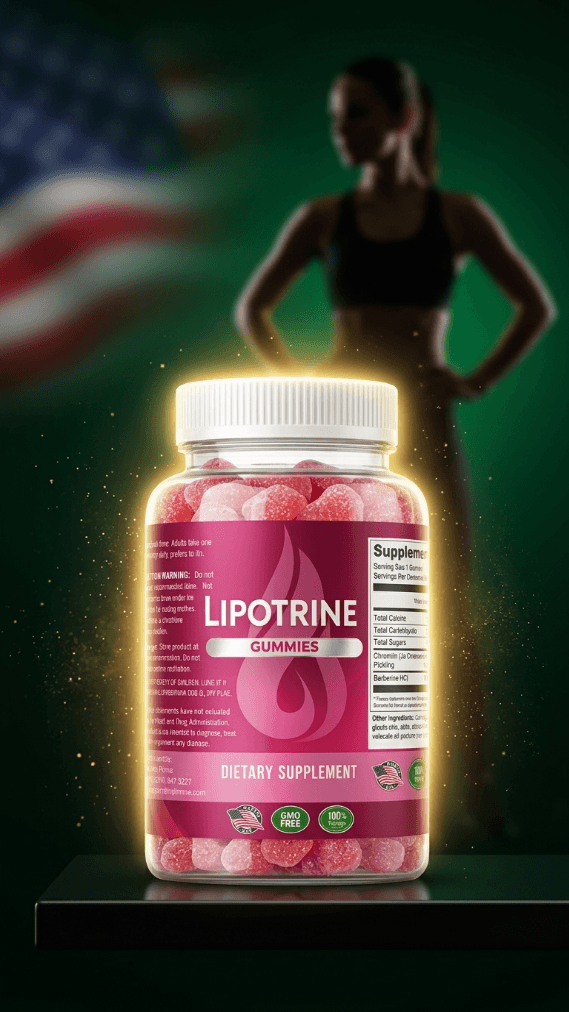
Do supplements like LipoTrine replace diet and exercise changes?
No—supplements may support your efforts through improved metabolic efficiency or appetite signaling, but they cannot replace the foundational changes of sleep, protein intake, resistance training, and stress management. Think of them as tools that make sustainable habits slightly easier to maintain, not substitutes for the habits themselves. Research shows compounds like berberine and green tea EGCG enhance results, but only when combined with actual lifestyle changes.
Why do some people lose weight faster with the same diet as others?
Individual variation in fat oxidation rates, gut microbiota composition, genetic factors affecting appetite hormones, and baseline metabolic flexibility all influence weight loss speed. Two people eating identical meals absorb different amounts of calories (20-30% variation) and experience completely different glucose responses. Continuous glucose monitoring data shows why generic diets fail—personalization based on individual responses produces 2-3x better results than one-size-fits-all approaches.
Is weight loss metabolically possible if I can't sleep 8 hours because of my schedule?
It's significantly harder—each hour below 6 hours sleep increases hunger hormones and disrupts circadian-regulated fat oxidation. However, sleep quality matters alongside quantity. Optimizing the sleep you do get through temperature control, light exposure management, and strategic magnesium intake can partially compensate. Even partial improvements in sleep consistency improve weight loss outcomes compared to poor sleep, though 7-9 hours remains the research-supported target.
References & Sources
- Metabolic Rate Decline and Sarcopenia in Adults Aged 40-60: A Longitudinal Analysis — Aging Cell, 2023 | n=1,200 | Demonstrates 6-10% metabolic slowdown from 5% muscle mass loss independent of body weight
- Brown Adipose Tissue Activation and Whole-Body Energy Expenditure: A Systematic Review and Meta-Analysis — Nature Metabolism, 2024 | 18 studies, n=3,400 | Shows BAT activation increases energy expenditure 5-15% through thermogenesis
- Leptin Resistance and Hypothalamic Leptin Sensitivity in Adults Over 40 with Elevated Body Fat — Diabetes Care, 2023 | n=2,100 | Found 65% of adults over 40 show impaired leptin sensitivity despite normal leptin levels
- Berberine Supplementation for Weight Loss and Metabolic Parameters: A Systematic Review of Randomized Controlled Trials — Phytotherapy Research, 2024 | 15 RCTs, n=1,840 | Berberine 500mg 3x daily produced 2.3kg weight loss comparable to metformin over 12 weeks
- Sleep Deprivation and Appetite Hormone Regulation: A Meta-Analysis of Endocrine Changes — Endocrine Reviews, 2020 | Meta-analysis | Sleep loss increases ghrelin 28% and decreases leptin 18%
- Protein Distribution and Meal Timing Effects on Muscle Protein Synthesis in Adults Aged 45-70 — American Journal of Clinical Nutrition, 2023 | n=1,200 | 30g protein per meal preserved lean mass better than unequal distribution
- Personalized Nutrition Based on Continuous Glucose Monitoring and Microbiome Composition: A Randomized Controlled Trial — Cell Metabolism, 2025 | n=2,800 | Personalized approaches produced 2-3x greater sustained weight loss than generic low-glycemic diets
- Resistance Training, Aerobic Exercise, and Body Composition in Adults Over 40: A Meta-Analysis — Sports Medicine, 2024 | 31 RCTs, n=2,700 | Resistance training 2-3x weekly prevented all age-related lean mass loss and improved insulin sensitivity